Low-Res documentary
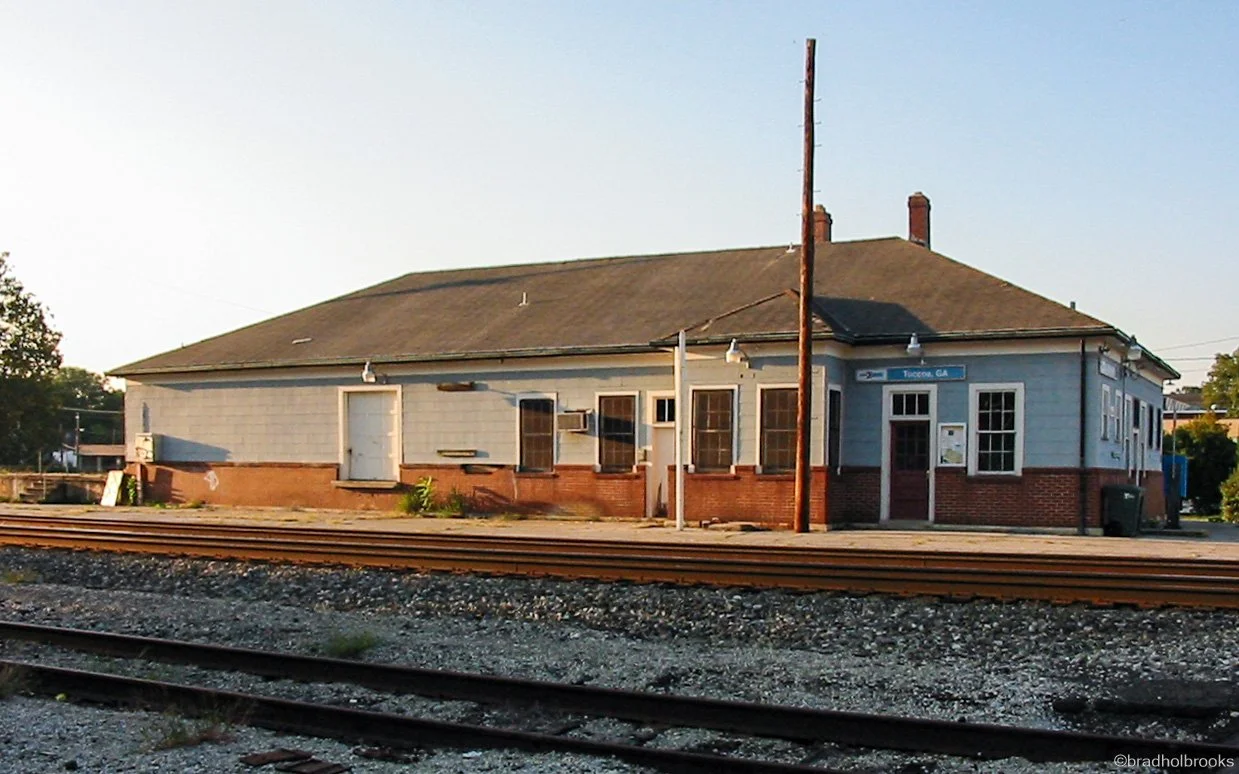
In October of 2002, the Toccoa Train Depot didn’t look like a historical landmark. Instead, it was a perfect match for the abandoned piles of old railroad ties lying up and down the tracks. Before the city discovered history could be monetized into a municipal crown jewel, the 1915 Southern Railway depot sat forgotten in the late-evening gloom. It was a haggard, weather-beaten wood-and-brick relic waiting for the town’s usual beautification tactic: a new parking lot.
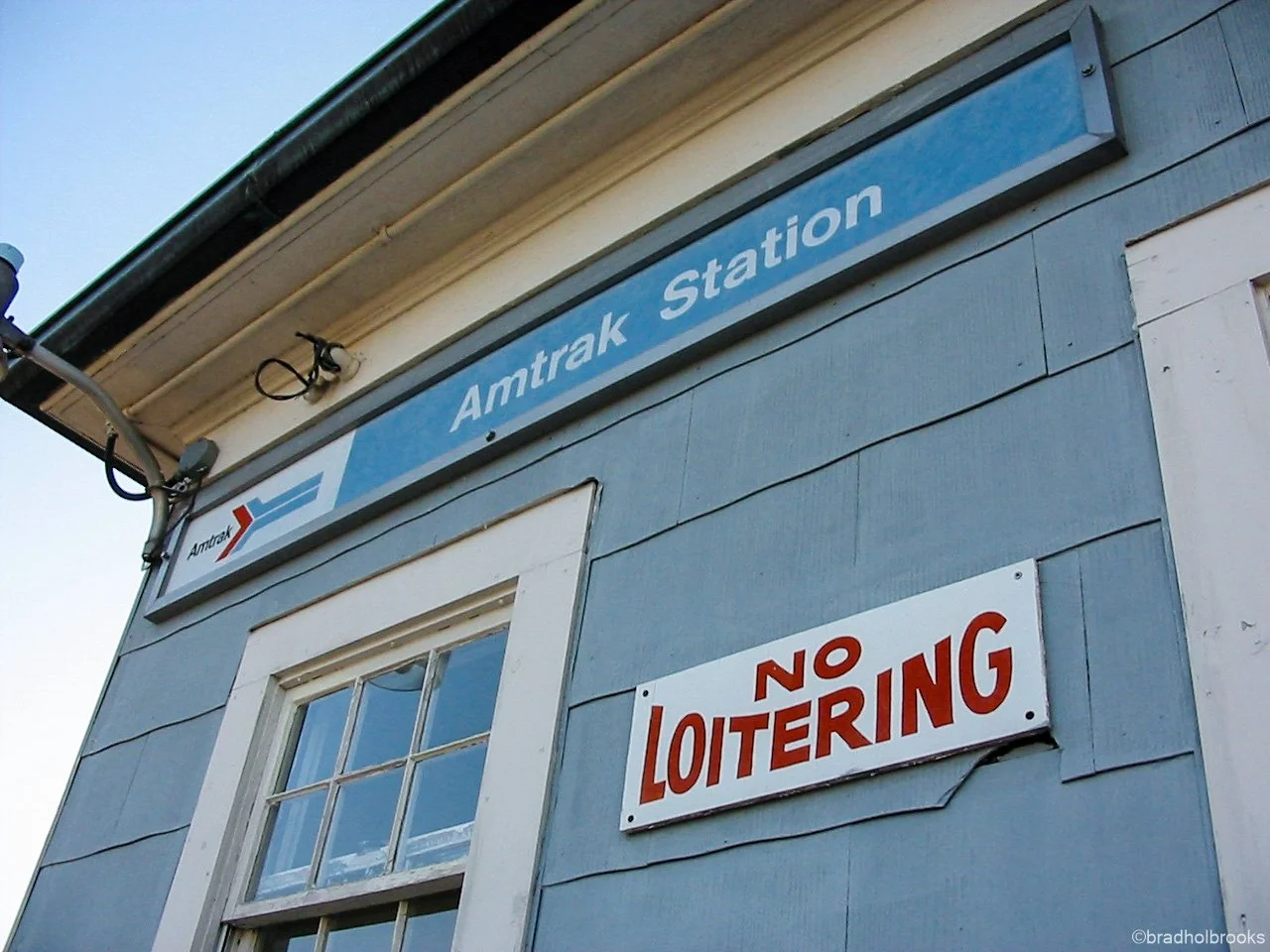
Weathered exterior of the unrestored Toccoa Georgia train depot in 2002 | Brad Holbrooks Photography
Tithes to the Paving Machine
Town councils across the American South have long possessed an almost religious devotion to the paving machine. They view any structure over fifty years old not as heritage, but as a sinful obstruction to a perfectly good parking spot.
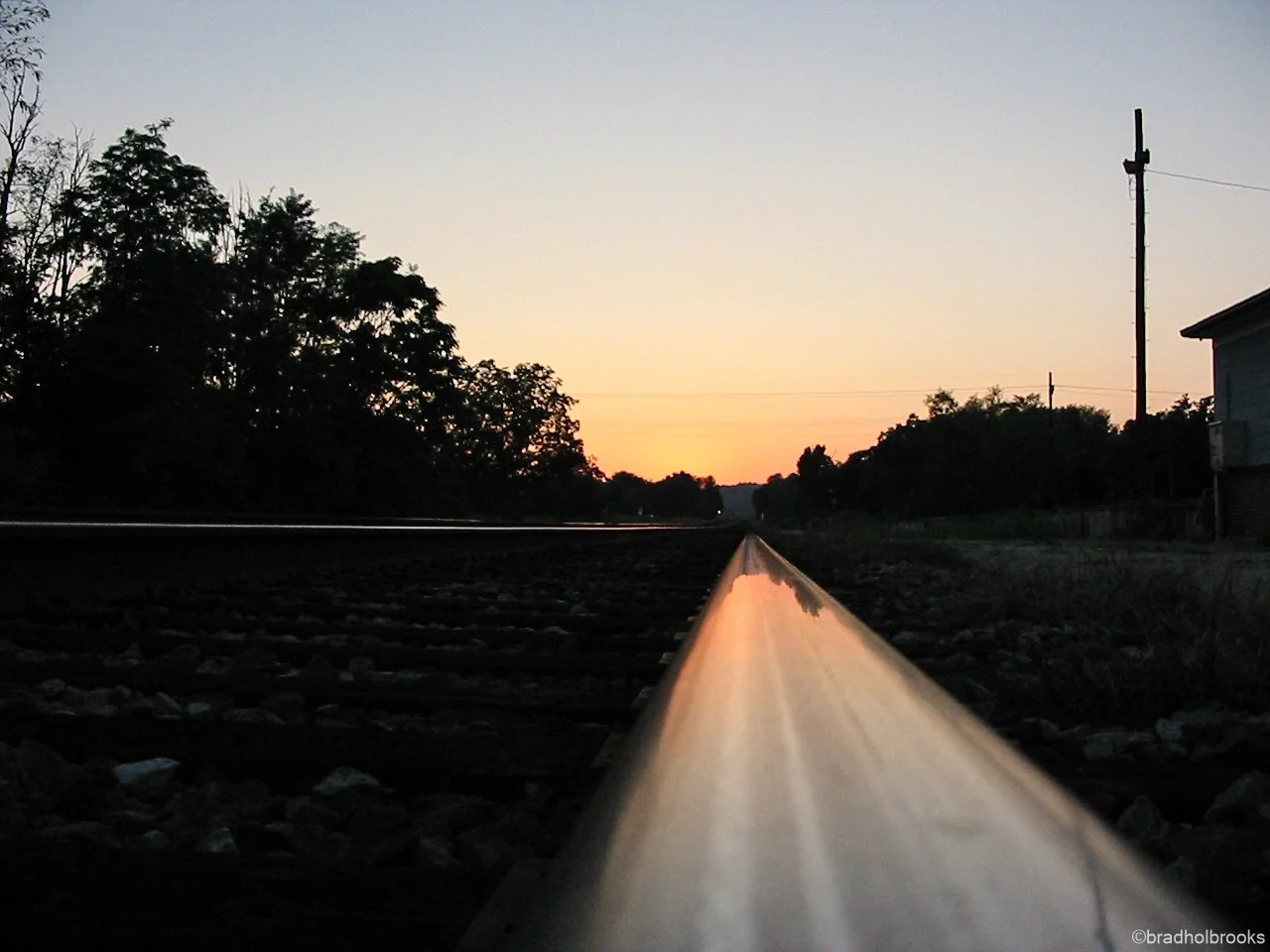
Thankfully, on the evening of October 2nd, just before sundown, the depot still stood.
1.3 Megapixels of Pure Freedom
My Canon PowerShot A10—a primitive, 1.3-megapixel plastic brick, hardly the tool for recording architectural history—I was on my first documentary adventure. This camera was my introduction to digital photography.
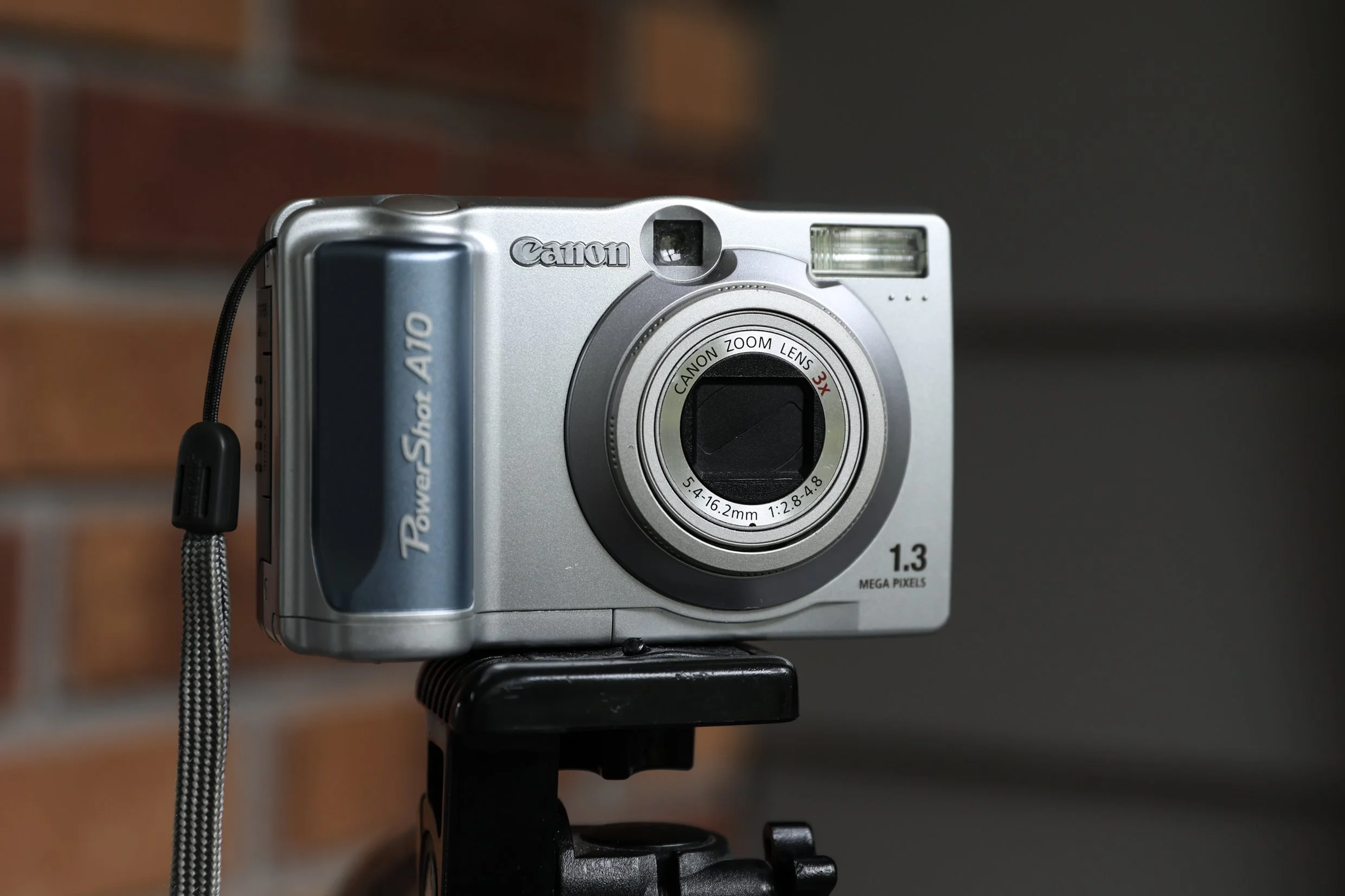
I still have it!
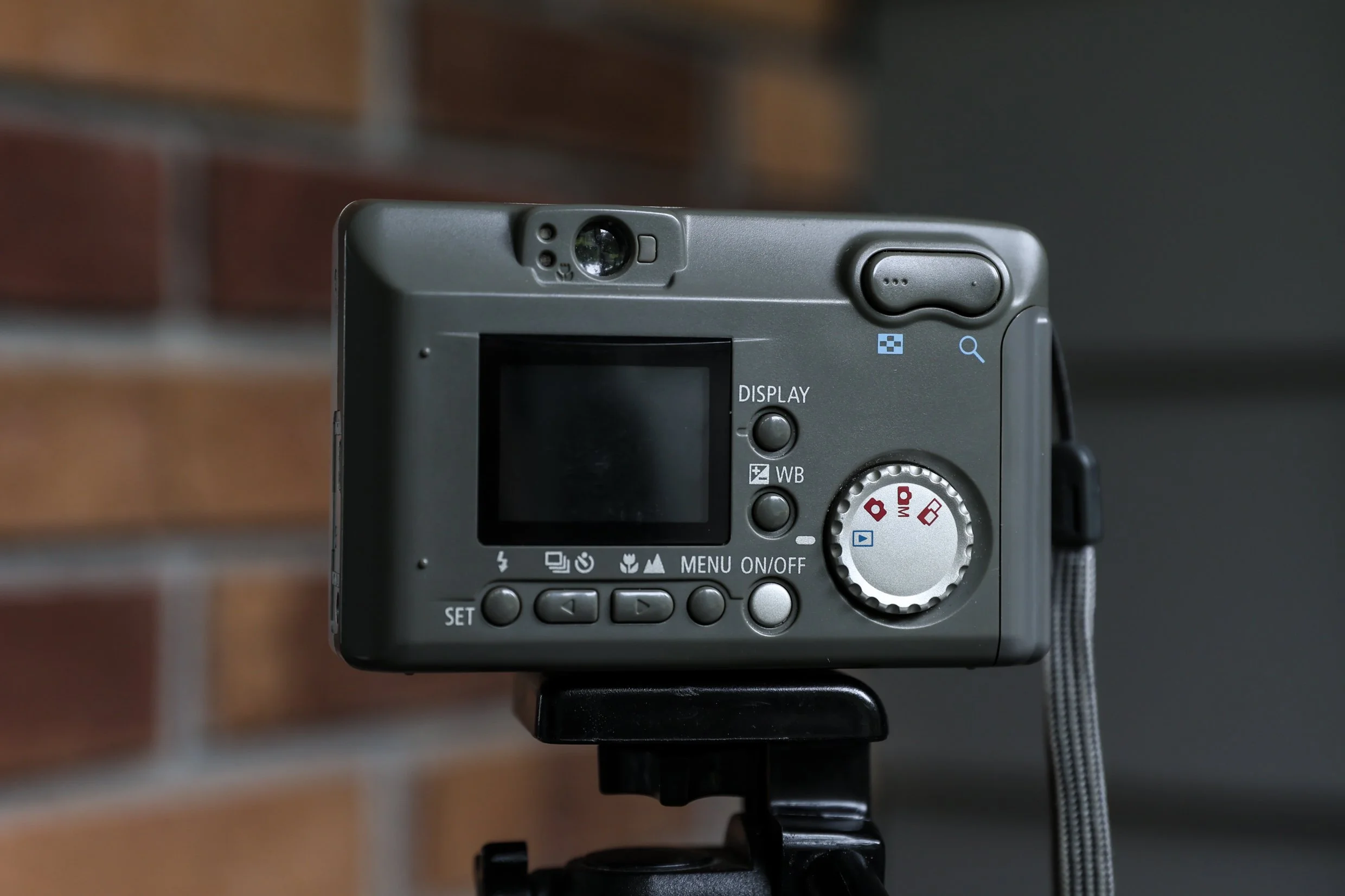
The true joy wasn’t in the image quality, which had the distinct, pixelated charm of a late-90s webcam. It was the freedom of being able to shoot as many photos as I wanted without worrying about the cost of developing film. I could go home and edit them immediately, a concept that made the digital frontier feel as wide open as the tracks stretching ahead of me.
Go out and do something creative wherever you are. Do it your way. Find joy in the process.
