Being Locked Out Sparked My Photography Philosophy
I started out learning to shoot film. It was a slow, expensive process. When digital cameras arrived, they allowed me to experiment and learn quickly, helping me find my style.
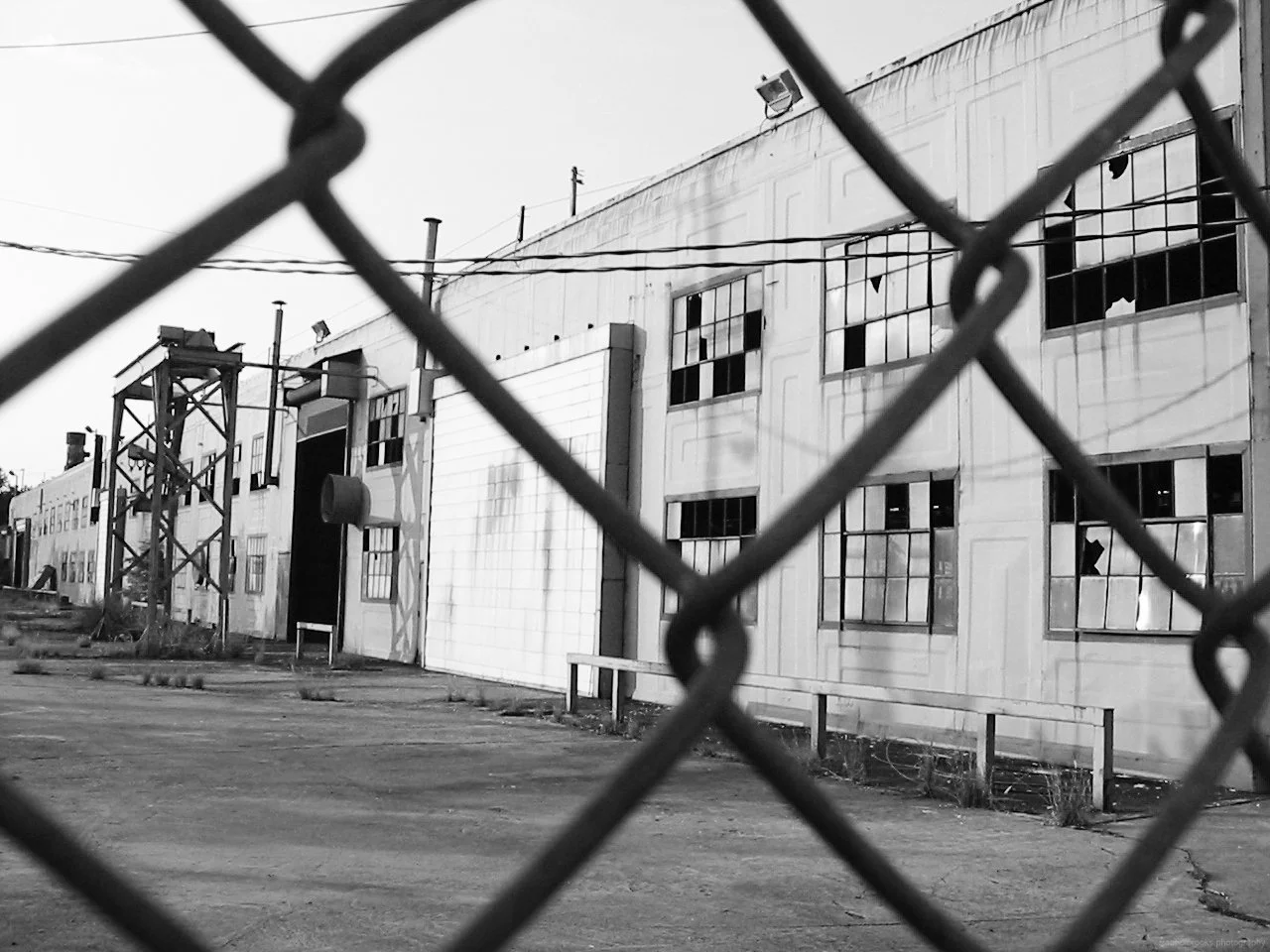
This is one of the first digital photos I took. I shot it in 2002 with a Canon A10, a 1.3-megapixel point-and-shoot.
LeTourneau/WABCO 2002 | Brad Holbrooks Photography
It shows the LeTourneau/WABCO plant in Toccoa, GA, where my grandfather and several other family members built earth-moving machines. I had always wondered what it looked like inside. One Friday, I stopped by to walk around the outside and get a closer look. As I stood there looking through the fence, an idea hit me: Why not show my frustration of always being locked out of this place?
I framed the shot using the tiny, stamp-sized LCD screen on the back. It was the best photo experience I’d ever had. Being able to see exactly what I was getting in real-time was incredible!
I didn’t fully realize it until I got home and loaded the images, but I had made a major breakthrough. Telling a story and conveying a feeling in a single photo was exciting. It’s not easy, and it’s not always understood by the viewer.
Over the years, I’ve used this idea a lot. People seem to either love it or hate it. Those who “get it” think it’s great. Those who don’t say, “There are too many distracting lines.” Either way, I’m getting a reaction.
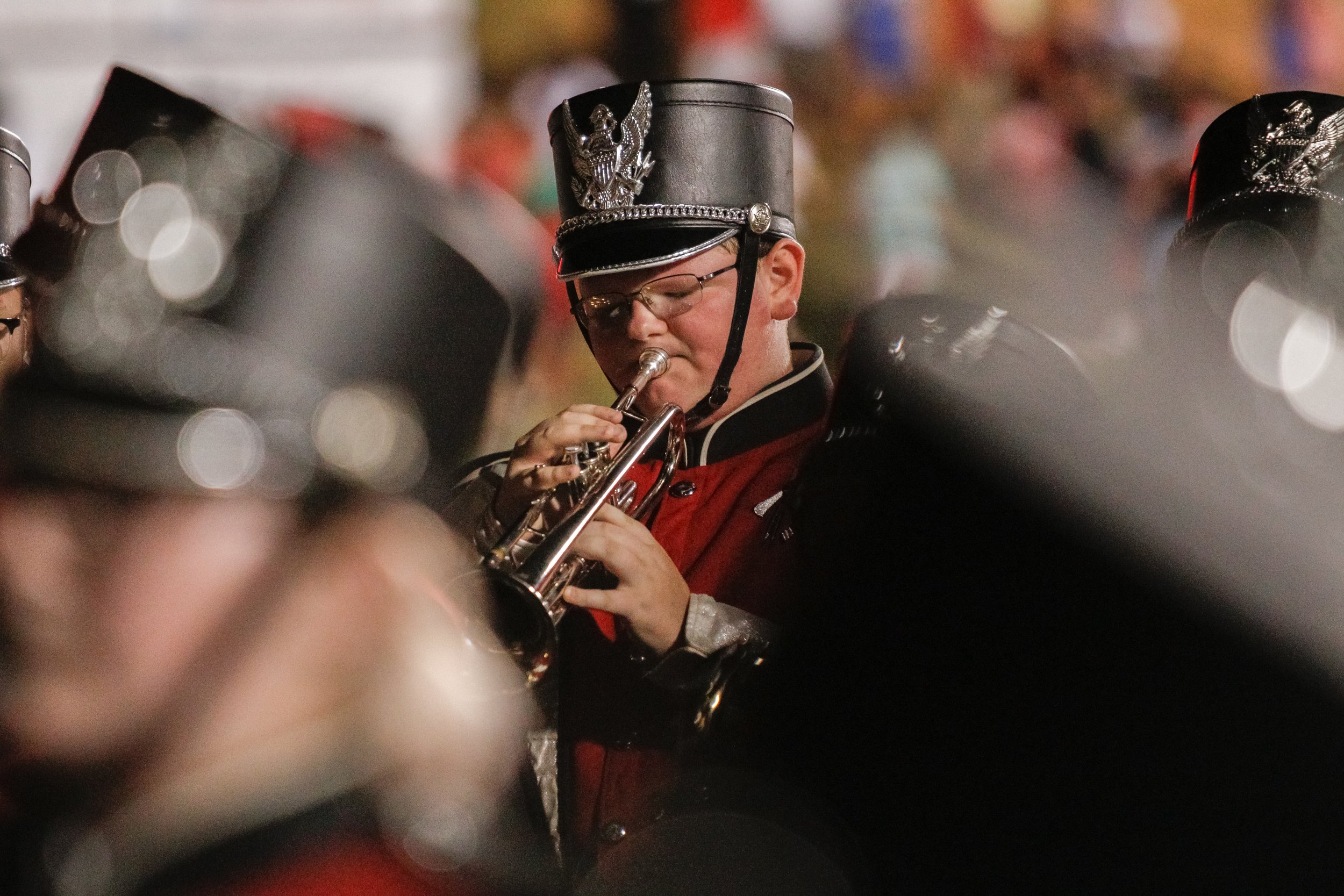
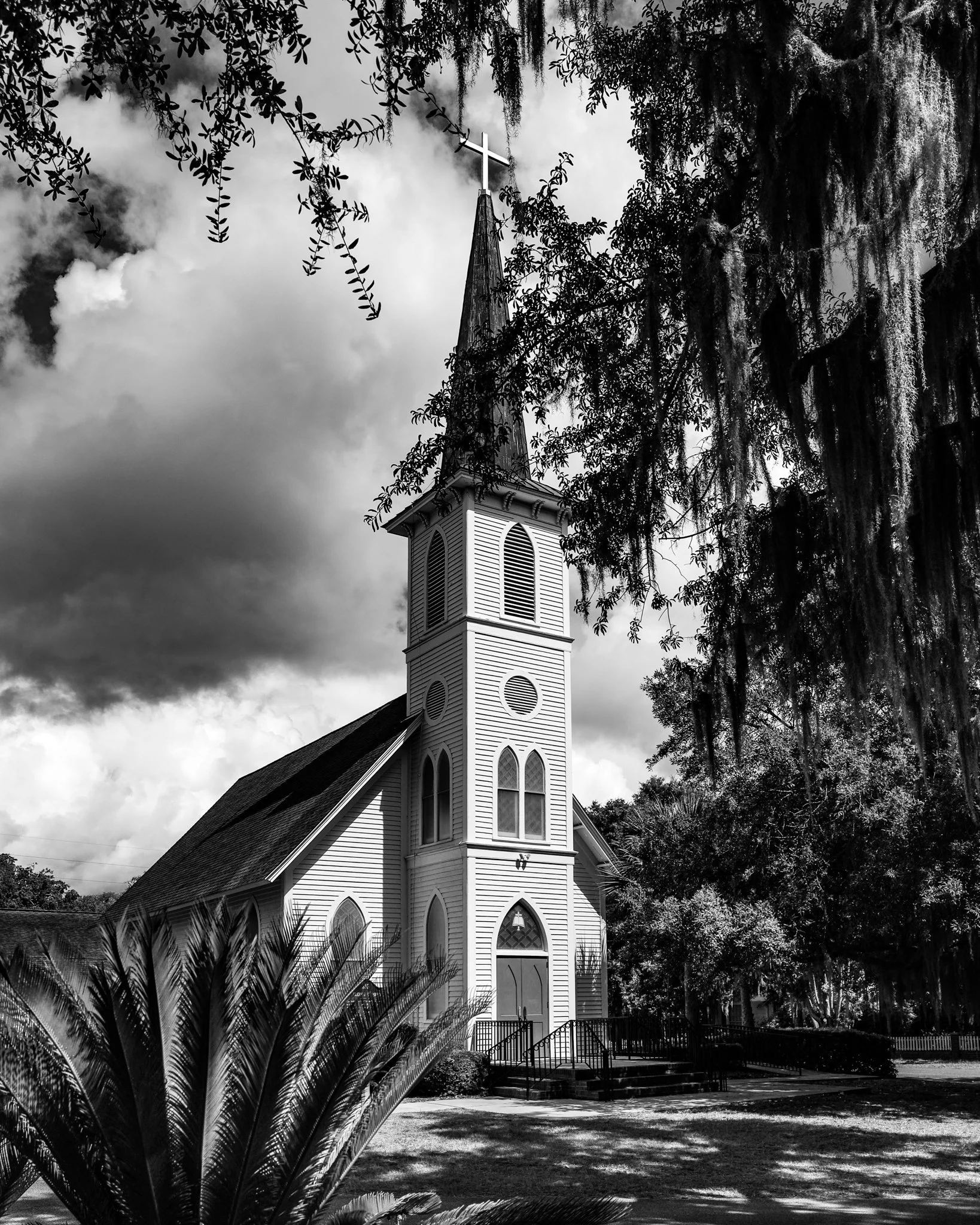
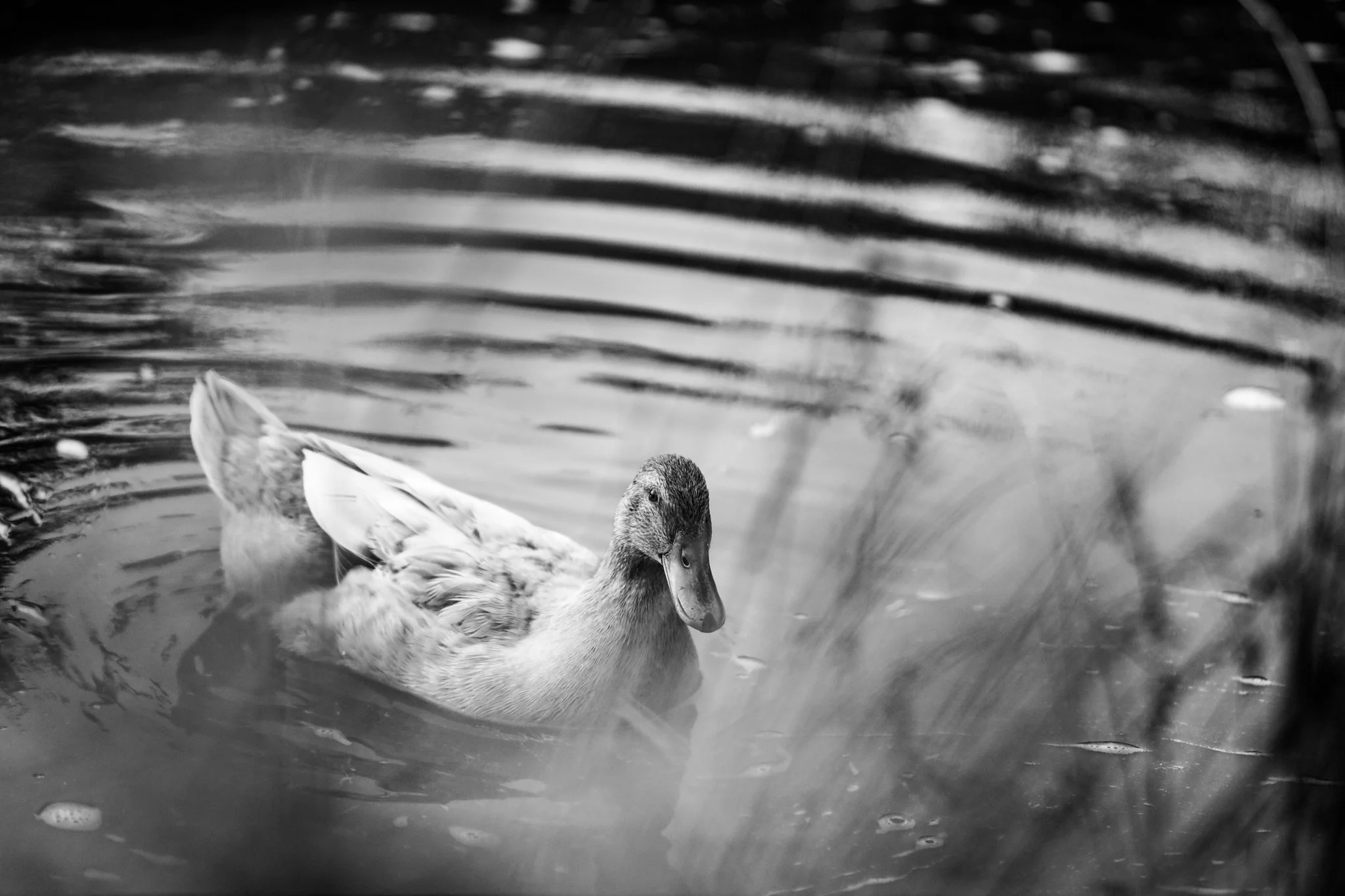
I use it on all kinds of shoots—marching bands, architecture, wildlife, to name a few. It’s also a great trick to help hide cluttered foregrounds and backgrounds.
Brad Holbrooks Photography
Brad Holbrooks Photography
Brad Holbrooks Photography
The Tip: As you can see, I’ve used other people and foliage to frame my subject. It adds depth, tells a story, or hides messy foregrounds and backgrounds. Don’t be afraid of “distracting lines” if they serve the story or emotion of the shot.
